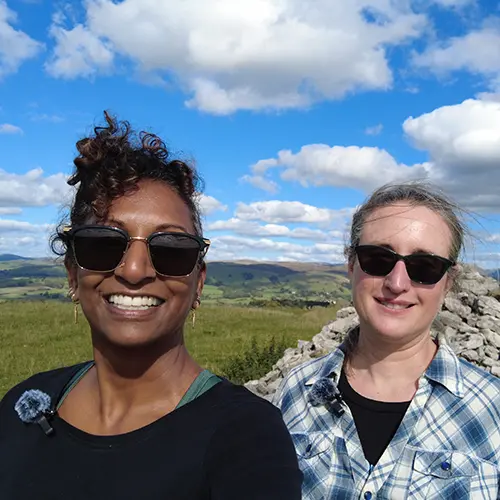
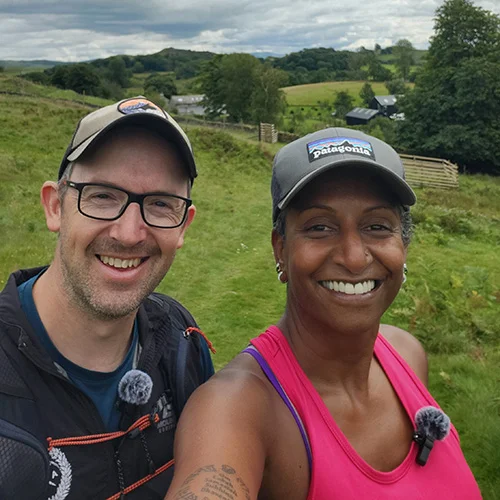
Walking the Dales Way on a sunny Lake District morning in late July 2025, we traced a footpath and the winding route of an unconventional career. Al Topping’s journey, from robotics engineer to Army officer to outdoor photographer to hospitality marketer, isn’t a straight line.
The Winding Path: How Al Got Here
Al’s story starts at Heriot-Watt University in Edinburgh, where he was part of the very first robotics cohort. That early exposure to problem-solving and structured thinking would shape his approach to work for decades. But between university and where he is now, there’s a lot of geography: software engineering roles in Inverness and Cheltenham, nine years as a commissioned officer in the Royal Electrical and Mechanical Engineers.
The Army was formative. It taught him discipline, leadership, and how to thrive in high-structure environments. But it also taught him something equally important: when that structure starts working against you, it’s time to change course. After meeting his wife (also serving) and navigating the demands of military life, they both left around 2020, right as the world locked down.
That timing could have been disastrous. Instead, Al started an outdoor photography business two weeks before Boris announced the first lockdown. It was terrible timing and brilliant timing simultaneously. While many struggled, Al and his wife found themselves in a nice house near York with access to miles of open countryside. Perfect conditions for building a creative practice during isolation.
They eventually settled in Windermere, and here’s where things get interesting: Al didn’t stay in outdoor photography. He evolved.
The Shift from “Outdoor” to “Honest”
When Al moved to Cumbria, he initially expected to keep shooting outdoor brands and adventure companies. Instead, he started getting inquiries from non-outdoor businesses, hotels, restaurants, hospitality venues. The market was telling him something his business plan hadn’t anticipated.
Rather than resist this, Al followed it. The outdoor sector, he realised, was saturated with creatives all chasing the same dream. The real opportunity was in helping local hospitality businesses tell their stories. And this is where his background in logic, structure, and problem-solving became an asset.
He stopped being a photographer-for-hire and started being a strategic partner.
Marketing as a Revenue Generator, Not a Cost
This shift in perspective is crucial. Most hospitality businesses, Al explains, have one person juggling marketing alongside everything else, often without a clear strategy. They’re posting content because they think they should, not because they’ve identified what success looks like.
Al’s approach starts with the question “Why?” What is the business trying to achieve? Only from that foundation can you decide what content to create, who to collaborate with, and how to measure whether it’s working.
This is why he’s developing Content Team, a strategic marketing app specifically for hospitality businesses. It’s not just a tool for uploading photos. It’s a framework that guides businesses through defining their objectives, understanding their audiences, and connecting their content creation to actual business outcomes.
It’s telling that Al, with a background in robotics and software engineering, has leaned into marketing psychology. He describes loving “the science-y bit”, the psychology of how messaging changes buying behaviours. For him, marketing is a system that works or doesn’t, and you can measure it.
The Three Pillars of Starting Out (Without Paying the Dumb Tax)
When asked for his top tips for aspiring entrepreneurs, Al offered three pieces of advice, practical, hard-won wisdom:
- Don’t pay the dumb tax. This phrase comes from entrepreneur Adam Scott: trying to figure everything out through trial-and-error costs you time and money. Sometimes the faster path is hiring mentors, joining networking groups, or getting coaching upfront. It feels expensive until you realize how much time it saves.
- Embrace marketing as a revenue generator, not a cost. So many businesses cut marketing budgets when money gets tight, not realizing they’re cutting off their own lifeline. Marketing creates the opportunities that sales converts. If you’re struggling, that’s when you invest in marketing, not when you abandon it.
- Pick up the phone. Social media is not a strategy. The real opportunities come from personal interactions. Talk to people. Listen to their actual problems. And if you’re terrible at sales calls, hire someone who isn’t. Knowing what you’re bad at and bringing in help is a sign of good leadership, not weakness.
The Balance Trap: Being Spoilt for Choice
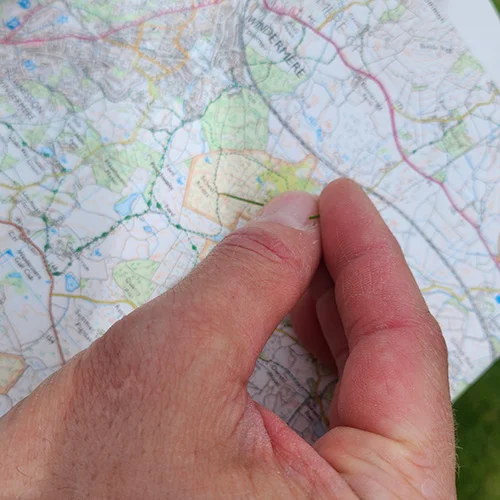
There’s a moment in our walk where the conversation touches on something many people living in beautiful places experience: once you’ve settled somewhere genuinely excellent, everywhere else feels like a compromise. Al’s family worries he won’t agree to travel because Windermere and the surrounding Lake District are so good. I can relate to that!
This is a real phenomenon, and Al’s solution is telling. He doesn’t fight it. Instead, he acknowledges it and builds his work life around what he loves. He chose to be based somewhere permanent for the first time in 20 years of constant moves. He chose clients and projects aligned with that place. He designed his business around living well, not just working hard.
Key Takeaways
What stands out from Al’s conversation isn’t a single insight but a pattern of how to make meaningful career decisions:
First, don’t force a straight line. Al’s path from engineering to military to creative work might look chaotic on paper. In practice, each phase built capabilities he uses now, logical thinking, leadership, technical skills, outdoor expertise, photography training.
Second, follow the market’s signals, not your original plan. When hospitality businesses started calling instead of outdoor brands, Al could have seen it as distraction. Instead, he saw it as real demand and shifted.
Third, align work with wellbeing, not the reverse. This isn’t about treating work as optional or avoiding challenges. It’s about building your business life in a place and way that sustains you. For Al, that meant prioritizing outdoor access, community connections, and meaningful client relationships over chasing every opportunity.
Fourth, understand the psychology of what you’re selling. Whether you’re creating content or running a business, know why you’re doing it and what success actually looks like. Strategy before execution. Always.
Finally, don’t work in isolation. Get a mentor. Join a network. Pick up the phone. Alison Magee Barker gets credit here for being the kind of straight-talking advisor Al needed, someone who wouldn’t sugarcoat but would deliver honest feedback.
Al is launching ContentTeam, a strategic marketing platform for hospitality businesses. If you’re interested in learning more or contributing your perspective on what hospitality businesses actually need, you can find out more at content-team.com. He’s also actively involved with Tech Cumbria, a community for creators and tech professionals in the region.
You can also check out his current work with clients like It’s a Dog’s Life (outdoor dog clothing) at his brand, Al Topping Photography.
Linkedin: www.linkedin.com/in/altopping
Website: www.altopping.com
Website: www.content-team.com